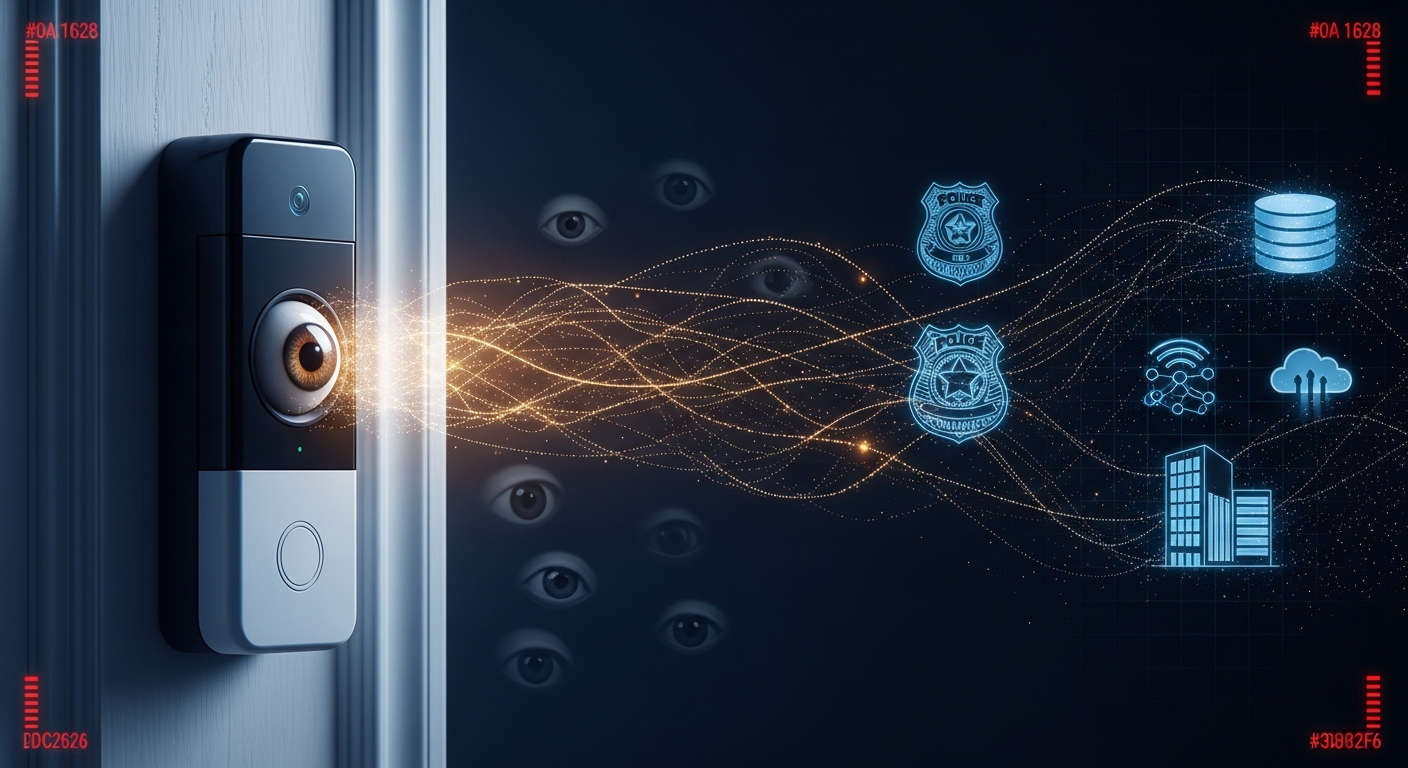
In a significant shift that impacts user privacy, Amazon has announced that it will discontinue the “Do Not Send Voice Recordings” feature for its Echo smart speakers and displays starting March 28, 2025123. This change means that all voice interactions with Alexa will now be transmitted to Amazon’s cloud servers for processing, removing the option for local voice processing that some Echo devices previously offered12.
The End of Local Processing
Currently, three Echo models - the fourth-generation Echo Dot, Echo Show 10, and Echo Show 15 - allow users to process audio locally without sending it to the cloud3. However, this privacy-enhancing feature will no longer be available after the upcoming change. Users who don’t take action will have their Alexa Settings automatically updated to the “Don’t save recordings” option5.
 Secure IoT OfficeSecure IoT Office
Amazon’s Rationale
Amazon justifies this decision by citing the need to expand Alexa’s capabilities with generative AI features12. The company argues that these advanced functions require the processing power of Amazon’s secure cloud infrastructure1. This move coincides with the anticipated release of Alexa Plus, a new iteration of the voice-activated AI assistant enhanced with generative AI capabilities2.
Privacy Concerns and User Impact
The elimination of the local processing option has raised concerns among privacy-conscious users. While Amazon assures that voice recordings sent to the cloud will be deleted after Alexa processes the requests, the change still means that all voice interactions will initially be transmitted to Amazon’s servers35.
Key impacts on users include:
- Voice recordings will be sent to the cloud and then deleted after processing5.
- All previously saved voice recordings will be deleted5.
- Voice ID functionality will no longer work5.
- Users won’t be able to create new voice IDs while the “Don’t save recordings” option is enabled5.
Amazon’s Stance on Privacy
Amazon maintains that privacy remains a priority. Lauren Raemhild, an Amazon spokesperson, stated, “The Alexa experience is designed to protect our customers’ privacy and keep their data secure, and that’s not changing.”15 The company emphasizes that users will still have access to various privacy tools and controls, including the option to prevent their voice recordings from being saved altogether1.
Broader Context and Industry Trends
This move by Amazon reflects a growing trend in the tech industry towards cloud-based AI processing. As companies strive to offer more advanced AI features, they increasingly rely on the computational power of cloud infrastructure. However, this shift often comes at the expense of local processing options, which some users prefer for privacy reasons.
User Options and Alternatives
For users concerned about this change, options are limited but may include:
- Disabling the microphone on Echo devices when not in use.
- Exploring alternative smart home assistants with stronger privacy features.
- Regularly reviewing and deleting voice history through Amazon’s privacy settings.
How does this change impact the privacy of Echo users
The upcoming change to Amazon’s Echo devices significantly impacts user privacy in several ways:
- Elimination of local processing: Starting March 28, 2025, Amazon will discontinue the “Do Not Send Voice Recordings” feature, which allowed certain Echo models to process voice commands locally12. This means all voice interactions with Alexa will now be sent to Amazon’s cloud servers for processing.
- Mandatory cloud processing: Users will no longer have the option to keep their voice interactions private on their devices. All voice commands and interactions will be transmitted to Amazon’s servers, even if users previously opted out of sharing voice data23.
- Loss of Voice ID functionality: Users who choose not to allow Amazon to store their voice recordings will lose access to Alexa’s Voice ID feature, which provides personalized services such as calendar reminders and music preferences1.
- Increased data collection: With all voice interactions being sent to the cloud, Amazon will have access to a broader range of audio input from users’ homes, potentially including sensitive personal information4.
- Retention of interaction data: While Amazon claims it will delete voice recordings after processing (unless users opt to save them), the company will still retain data about the interactions triggered by those recordings6.
- Potential for expanded data sharing: There are concerns that this change could lead to increased sharing of user data with advertising partners, as previous research has shown that Amazon shares Alexa interaction data with numerous third parties4.
- Reduced user control: The change limits users’ ability to control how their voice data is handled, forcing them to choose between functionality and privacy3.
This shift in Amazon’s approach to voice data processing raises significant privacy concerns for Echo users, particularly given the company’s history of using voice recordings for improving its services and past incidents involving employee access to user data35.
Conclusion
As smart home technology continues to evolve, the balance between advanced features and user privacy remains a critical issue. Amazon’s decision to eliminate local processing for Echo devices highlights the ongoing challenges in this space. Users must weigh the benefits of enhanced AI capabilities against potential privacy trade-offs, while companies like Amazon face the task of innovating while addressing growing privacy concerns.
Citations:
- https://www.theverge.com/news/630049/amazon-echo-discontinues-do-not-send-voice-recording-setting
- https://techcrunch.com/2025/03/15/amazons-echo-will-send-all-voice-recordings-to-the-cloud-starting-march-28/
- https://www.washingtontimes.com/news/2025/mar/15/recordings-requests-alexa-soon-go-amazon-cloud/
- https://ivy.fm/tag/debian
- https://bgr.com/tech/you-can-no-longer-stop-alexa-from-sending-voice-recordings-to-amazon/
- https://theoverspill.blog/2018/09/
- https://www.techedt.com/amazon-to-send-all-echo-voice-recordings-to-the-cloud-from-march-28
- https://arstechnica.com
- https://arstechnica.com/gadgets/2025/03/googles-gemini-ai-can-now-see-your-search-history/
- https://arstechnica.com/apple/2025/03/apples-349-ipad-11-is-missing-a-lot-but-its-still-all-the-ipad-most-people-need/
Answer from Perplexity: pplx.ai/share